The Art and Science of Audio Mixing: Mastering Sound Through Precision and Creativity
In the world of music production, audio mixing stands as a pivotal process that transforms individual tracks into a cohesive sonic experience. It is both an art form and a technical skill, requiring equal parts creativity and precision. Whether you’re working on a studio album, a live recording, or even podcasting, mastering the fundamentals of audio mixing can elevate your work from good to exceptional.
Mixing involves balancing levels, adjusting frequencies, applying effects, and ensuring clarity across all elements of a track. This intricate dance between sound engineering and artistic expression allows producers and engineers to shape their vision while adhering to technical constraints. Understanding these principles opens up new possibilities for creative exploration within any audio project.
Understanding the Core Principles of Audio Mixing
Audio mixing begins with understanding the basic components involved in creating a balanced mix. At its core are three essential aspects: level adjustment, frequency management, and spatial positioning. These foundational elements guide every decision made during the mixing process.
Level adjustment refers to setting appropriate volumes so that each instrument or vocal sits comfortably within the overall soundscape without overpowering others. Frequency management ensures that different instruments occupy distinct areas within the audible spectrum to avoid clashing tones. Spatial positioning helps place sounds left-to-right on stereo fields, giving depth and dimensionality to recordings.
Key Points:
- Equalization (EQ): Used primarily for managing frequency ranges by boosting or cutting specific bands; this prevents overlapping frequencies which could cause muddy mixes.
- Panorama Controls: Allow placement of audio sources along horizontal axis (left-right) enhancing stereo imaging and separating elements effectively.
- Dynamics Processing: Involves tools such as compressors, limiters, gates, etc., used to control loudness variations ensuring consistent volume levels throughout the track.
Essential Tools and Equipment for Effective Audio Mixing
To achieve professional results in audio mixing, having access to quality equipment is crucial. The choice of hardware and software significantly influences how well one can manipulate sound characteristics during the mixing stage.
Modern digital audio workstations (DAWs) provide powerful virtual plugins that replicate traditional analog gear functions digitally. These include high-quality EQs, multi-band compressors, reverb units, delay effects among others—all accessible through intuitive graphical interfaces designed for ease-of-use.
Common Hardware Components Include:
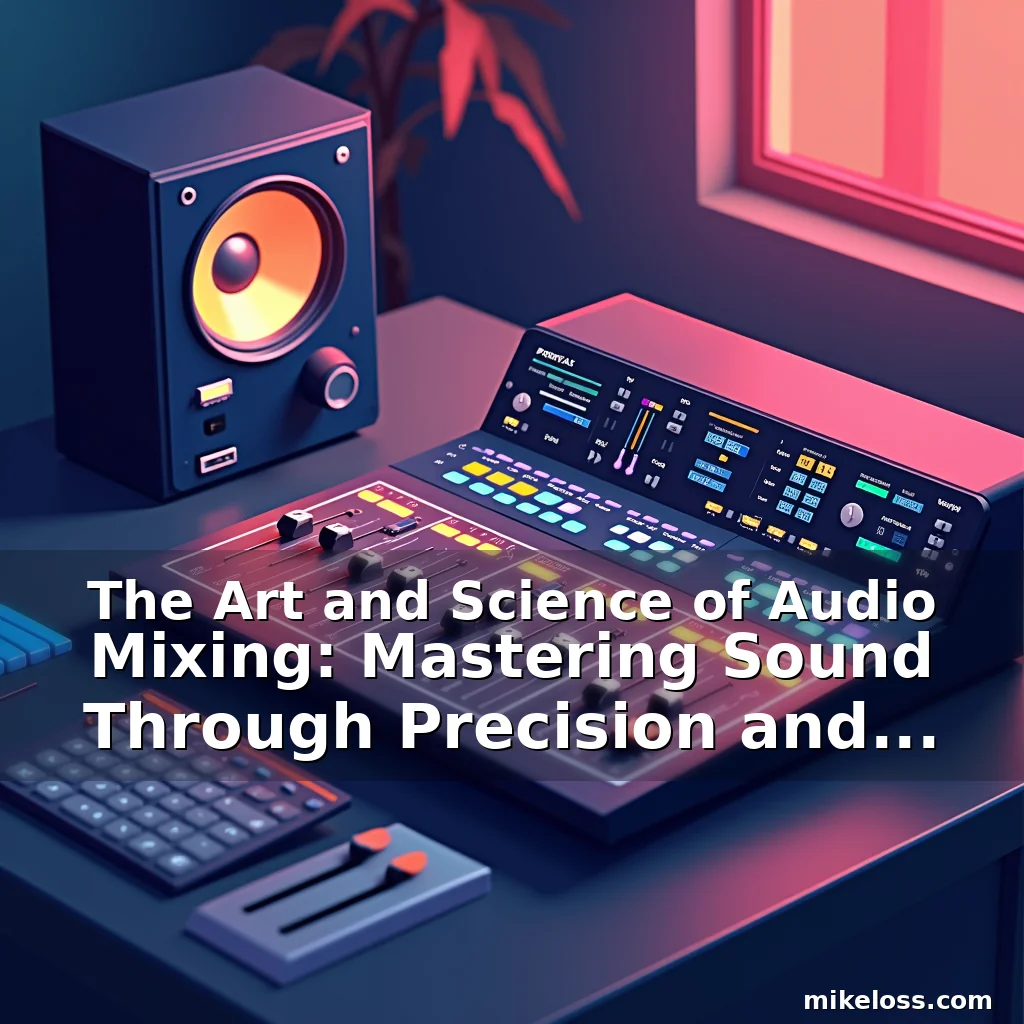
- MIDI Controllers: Enable tactile interaction with DAW parameters allowing precise adjustments using physical knobs sliders instead of mouse clicks alone.
- Audio Interfaces: Convert analog signals into digital format at higher resolutions than standard computer inputs providing clearer input/output capabilities necessary for accurate monitoring.
- Studio Monitors: Deliver flat response curves enabling true representation of mixed material helping identify issues otherwise masked by consumer headphones.
Mastering Techniques That Elevate Your Mix Quality
While possessing top-tier gear contributes greatly towards achieving great mixes, it’s ultimately technique mastery that distinguishes average performances from outstanding ones. Several advanced techniques help refine final output further beyond initial setup stages.
One fundamental approach is layering—carefully blending similar-sounding elements together rather than isolating them completely. This method adds richness but requires careful attention lest things become too busy or cluttered sounding.
Another effective strategy involves automation—manually controlling various parameters over time allowing dynamic changes according to song structure needs. For instance, gradually increasing reverb intensity during choruses creates emotional impact matching lyrical emphasis points naturally.
The Role Of Reference Tracks And Critical Listening Skills
Critical listening skills play an integral role in successful audio mixing endeavors. They enable identification of subtle nuances often overlooked when fatigued or distracted by external stimuli.
Developing acute hearing abilities takes practice; however certain exercises aid quicker progress. One popular method includes listening repeatedly under varied conditions—such as closed vs open environments—to train ears better recognize tonal differences accurately regardless context shifts.
Reference Track Usage Tips:
- Choose Similar Genres: Select reference tracks closely aligned stylistically with current project type since genre-specific expectations influence perception significantly.
- Analyze Frequency Balance: Compare spectral content visually via spectrogram analysis identifying where yours differs potentially guiding corrective actions efficiently.
- Evaluate Dynamic Range: Pay close attention how much variation exists between quietest loudest moments comparing against established benchmarks set forth industry standards.
Overcoming Common Challenges Faced During Audio Mixing Sessions
Despite best efforts sometimes challenges arise hindering smooth workflow especially early career stages before developing full proficiency. Recognizing typical obstacles facilitates proactive solutions preventing frustration buildups mid-session.
Frequent pitfalls include poor phase alignment causing cancellation effects particularly noticeable when combining mono sources across stereo field improperly placed. Another common issue stems from excessive compression leading flattened dynamics stripping life out entire compositions unintentionally.
Solutions To Typical Problems:
- Phase Alignment Check: Utilize correlation meters available most modern DAWs detect potential misalignments quickly permitting instant corrections via polarity reversal switches found commonly included plugin suites.
- Dynamic Compression Limits: Implement makeup gain sparingly after compression maintaining natural ebb flow present original recordings preserving expressive intent intact.
- Frequency Masking Prevention: Apply high-pass filters liberally removing unnecessary low-end rumble freeing up space upper registers letting other elements breathe freely avoiding overcrowding sensations.
Building A Professional Workflow For Consistent Results
Establishing structured workflows streamline repetitive tasks reducing cognitive load associated complex decision making processes inherent audio engineering roles. Organized approaches ensure consistency across projects minimizing chances human error creeping unnoticed until late stages review phases.
Begin by organizing session files systematically categorizing assets logically based source types eg drums vocals synths etc facilitating easier navigation later edits. Also implement version control mechanisms tracking modifications chronologically aiding revert operations whenever desired without losing previous iterations entirely.
Workflow Optimization Strategies:
- Bounce Down Process: Consolidate edited regions prior proceeding further steps limiting number active clips simultaneously improving CPU efficiency noticeably decreasing lag spikes experienced random editing instances.
- Track Grouping: Assign related channels together enabling simultaneous parameter tweaks saving considerable manual effort required individually adjusting settings separately each time modification needed globally applied change.
- Template Creation: Develop standardized templates containing default plugin configurations optimized particular genres ensuring rapid project initiation retaining familiar setups accelerating learning curve dramatically.
Exploring Advanced Concepts Beyond Basic Level Knowledge
Once comfortable executing routine procedures confidently now explore deeper layers complexity involved refining masterpieces worthy broadcast airwaves radio stations streaming platforms alike. Advanced topics encompass psychoacoustic phenomena influencing perceived loudness despite actual measured values remaining constant numerically identical figures recorded devices.
Psychoacoustics deals perception aspect relating auditory experiences subjective interpretations occurring brain processing signals received ears. Factors including masking effect wherein louder sounds suppress quieter ones nearby frequencies create illusion greater separation distances actually exist physically.
Advanced Topics Worth Investigating Further:
- Mid-Side Encoding: Offers alternative routing method splitting stereo image into middle side components allowing independent manipulation central portion versus outer edges useful mastering applications specifically.
- Loudness Normalization Standards: Understand EBU R128 ITU BS.1770 protocols governing target integrated loudness measurements ensuring compatibility across distribution channels irrespective playback systems utilized listeners.
- Spectral Shaping Techniques: Employ multi-band compressors dynamic EQs sculpting specific frequency ranges precisely addressing problematic resonances harshness unwanted artifacts present raw recordings post-recording sessions.
Conclusion
Audio mixing represents intersection point between technological innovation artistic craftsmanship shaping ultimate outcome heard audiences everywhere today. By embracing both scientific methodologies creative instincts simultaneously individuals empower themselves transform ordinary recordings extraordinary finished products capable standing alongside commercial releases professionally produced works.
Continuously expanding knowledge base staying updated latest developments emerging technologies equips practitioners remain competitive ever-evolving landscape audio production industries worldwide. Engage actively communities share experiences learn continually strive perfection always remember journey never ends pursuit excellence.