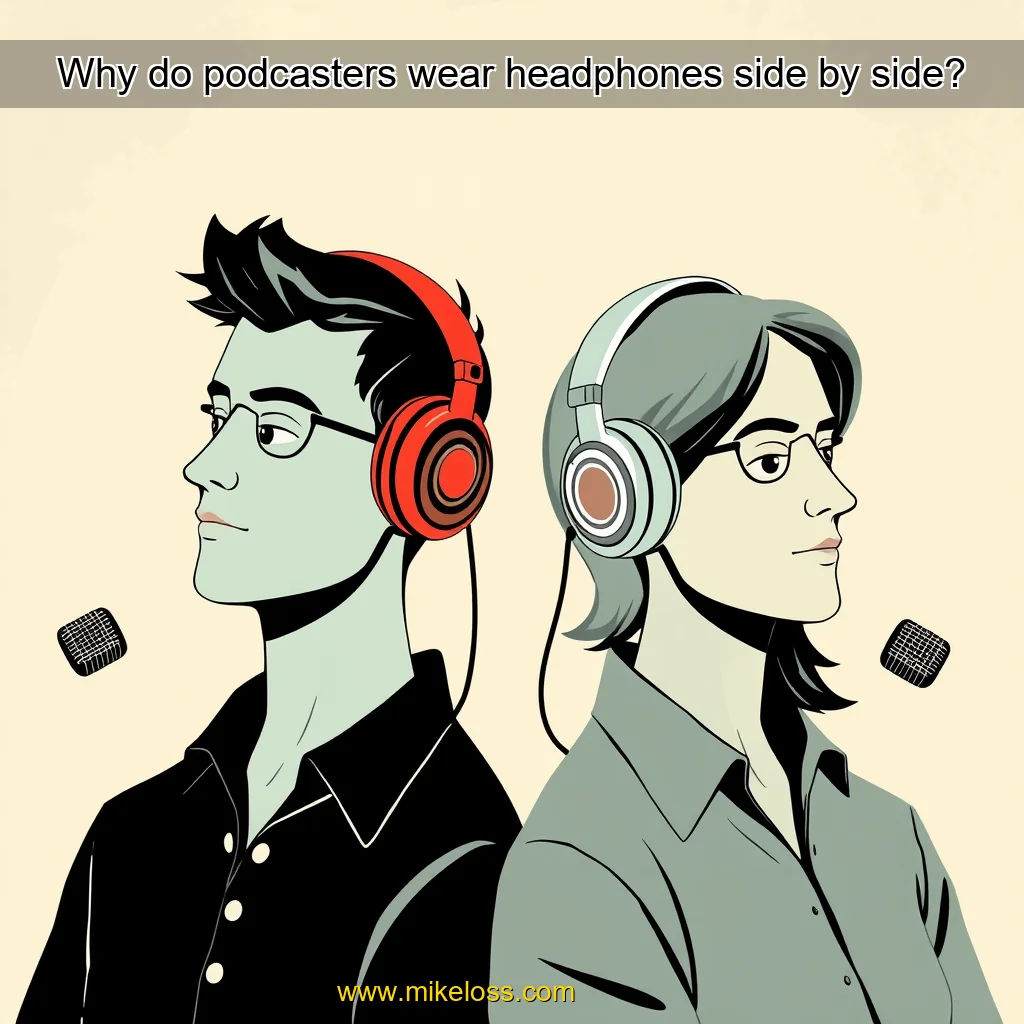
The audio is a two-dimensional representation of the conversation, lacking the nuances of the spoken word. Headphones can help bridge this gap.
The Problem with Two-Dimensional Audio
When you’re recording a podcast, you’re essentially capturing a snapshot of the conversation. The microphone picks up the sounds of the speakers, but it doesn’t capture the full range of human experience. It’s like trying to take a picture of a sunset – you get the colors, but you miss the warmth, the texture, and the atmosphere.
The Benefits of Using Speakers to Monitor a Recording
Using speakers to monitor a recording can have several benefits for both the artist and the engineer. Here are some of the advantages of using speakers to monitor a recording:
The Importance of Headphones in Radio Broadcasting
In the world of radio broadcasting, headphones are an essential tool for both on-air personalities and production staff. While they may seem like a simple accessory, headphones play a crucial role in ensuring that the audio is delivered accurately and efficiently.
Understanding the Role of Headphones
Headphones allow on-air personalities to hear every element of the broadcast in real-time, including cues, music, and sound effects. This is particularly important for comedians and DJs, who rely on timing and rhythm to create a seamless listening experience.
The Science Behind Noise Cancellation
Noise cancellation is a technology that reduces unwanted ambient sounds, allowing you to focus on the conversation at hand. It works by using one or more microphones to capture ambient noise, and then producing a “negative” sound wave to cancel it out. This process is called destructive interference. There are two types of noise cancellation: active and passive. Active noise cancellation uses electronic noise cancellation, while passive noise cancellation uses physical barriers to block sound waves.*
How Headphones Work
Headphones work by converting sound waves into electrical signals, which are then amplified and sent to a speaker. The speaker produces sound waves that are directed into the earcup, creating the sensation of sound. There are several types of headphones, including over-ear, on-ear, and in-ear headphones. Over-ear headphones cover the entire ear, while on-ear headphones sit on the ear.
It’s just like wearing a pair of glasses – you get used to it.
The Power of Headphones
Enhancing Communication
Headphones are not just for listening; they’re also for speaking. They can help you articulate your thoughts more clearly and confidently. Here are some ways headphones can improve your communication:
Overcoming Feedback and Distractions
Headphones can also help you avoid common pitfalls like feedback and distractions. Here are some ways headphones can help: